
Hear from Our Customers
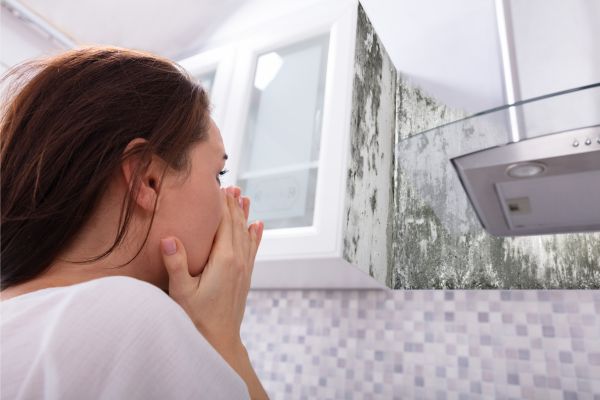
You’ve got a musty smell in the basement. Or maybe you spotted something dark creeping up the corner of your bathroom wall. You’re wondering if it’s mold, and if so, how bad it really is.
Here’s the thing: guessing doesn’t help you. Those DIY test kits from the hardware store? They’re notoriously unreliable. They’ll tell you mold is present—which isn’t helpful, because mold spores exist everywhere. What you actually need to know is what type of mold you’re dealing with, how much of it there is, and where the moisture source is that’s feeding it.
Professional mold testing gives you real answers. We use air sampling and surface testing to measure what’s actually in your home, then send those samples to an EPA-certified lab. You get a detailed report that identifies the type and concentration of mold, so you know whether you’re looking at a minor issue or something that needs immediate attention.
That’s the difference between wondering if you have a problem and actually knowing what to do about it.
We’ve been testing and inspecting homes in Blooming Glen and throughout Bucks County for over 20 years. We’ve seen what Pennsylvania’s humid summers and damp winters do to basements, crawl spaces, and attics—especially in older homes that weren’t built with modern moisture barriers.
We’re not a national franchise following a script. We’re local, and we understand the specific challenges your home faces in this climate. When you call us, you’re talking to someone who knows why mold grows behind the paneling in a 1960s ranch, or why that finished basement you love is also the most vulnerable spot in your house.
We offer free inspections because we want you to know what you’re dealing with before you spend a dime. No pressure, no upselling—just honest assessment from people who’ve been doing this long enough to know the difference between a real problem and a false alarm.
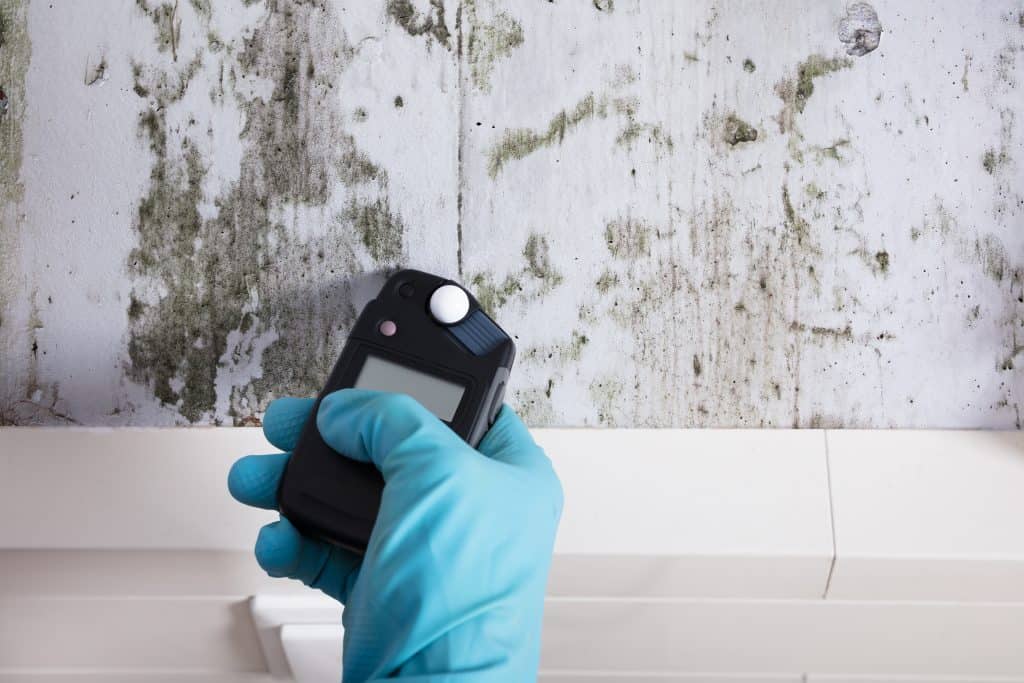
First, we do a visual inspection. We’re looking for visible mold growth, water stains, discoloration, and any signs of moisture problems. We check the usual suspects—basements, bathrooms, attics—but also places you might not think to look, like behind wallpaper, under sinks, and around HVAC systems.
Next, we take air samples. We use calibrated air pumps that pull 15 liters of air per minute through a collection device. We sample the air inside your home and compare it to an outdoor control sample. This tells us if your indoor air has elevated mold spore levels compared to what’s naturally occurring outside.
If we spot visible growth or suspect hidden mold, we’ll also do surface testing. This involves taking samples from specific areas and sending them to the lab for analysis.
Once the lab processes everything, you get a comprehensive report. It identifies the types of mold present, the concentration levels, and whether those levels are considered normal or elevated. We walk you through the findings in plain language and explain what, if anything, needs to happen next. If there’s a moisture problem feeding the mold, we’ll help you identify the source—because removing mold without fixing the moisture issue just means it’ll come back.
Ready to get started?
When we test your home, you’re getting more than just lab results. You’re getting clarity.
We use professional-grade equipment—infrared cameras to detect temperature differences that indicate moisture, moisture meters to measure humidity levels in walls and floors, and borescopes to look inside wall cavities without tearing anything apart. This isn’t a quick walk-through with a flashlight. It’s a methodical inspection designed to find problems you can’t see.
Blooming Glen’s climate makes basements especially vulnerable. The combination of older home construction and our humid summers means moisture can accumulate in foundation walls, creating perfect conditions for mold growth. We’ve tested hundreds of homes in this area, and we know where to look.
You’ll receive a detailed report from an EPA-certified laboratory. It breaks down exactly what’s in your air and on your surfaces. If you’re buying or selling a home, this documentation is critical. If you’re dealing with health symptoms you suspect are mold-related, it gives you the evidence you need. And if you’re filing an insurance claim, it provides the professional assessment insurers require.
We’re available 24/7 for emergencies. If you’ve just discovered water damage or you’re dealing with a sudden leak, waiting even 48 hours can turn a small problem into a major mold issue in our climate. Call us, and we’ll be there fast.
DIY mold test kits are inconsistent and often misleading. Most of them work by exposing a petri dish to your air, which will almost always grow something—because mold spores are everywhere. But that doesn’t tell you anything useful about whether you have a mold problem.
Professional mold testing uses calibrated equipment and controlled sampling methods. We measure the concentration of mold spores in your indoor air and compare it to outdoor levels. That comparison is what matters. If your indoor levels are significantly higher than outdoor levels, that indicates a problem. If they’re roughly the same, you’re probably fine.
We also send samples to EPA-certified labs that can identify the specific types of mold present. Some molds are more concerning than others. Black mold (Stachybotrys) gets a lot of attention, but other types can cause problems too. Knowing what you’re dealing with helps determine the right response. DIY kits can’t give you that level of detail, and they can’t tell you where the mold is actually growing or what’s causing it.
The most obvious sign is visible growth—dark spots on walls, ceilings, or around windows. But mold often hides, so you need to pay attention to other indicators too.
A persistent musty odor is a red flag, especially in basements, bathrooms, or closets. If you smell it but can’t see anything, there’s a good chance mold is growing behind walls, under flooring, or in your HVAC system. Water stains or discoloration on walls and ceilings indicate moisture problems, even if the leak has been fixed. Where there’s been moisture, there’s likely mold.
Health symptoms can also be a clue. If you or your family members have unexplained respiratory issues, persistent coughing, headaches, or allergy-like symptoms that get worse at home and better when you leave, mold exposure could be the cause. If you’ve had any water damage—a burst pipe, roof leak, flooding, or even just high humidity—you should get tested. Mold can start growing within 24 to 48 hours after water exposure, and in Blooming Glen’s humid climate, it spreads fast.
The inspection and sampling process typically takes one to two hours, depending on the size of your home and how many areas we’re testing. We’re thorough, but we’re not going to waste your time.
Once we collect the samples, they go to the lab for analysis. Lab results usually come back within three to five business days. Some labs offer rush processing if you need answers faster, which can get you results in 24 to 48 hours.
After we receive the lab report, we’ll contact you to review the findings. We don’t just email you a technical document and leave you to figure it out. We walk you through what the results mean, answer your questions, and explain what steps, if any, you should take next. If the results show elevated mold levels, we’ll discuss remediation options and help you understand the scope of the problem. If everything looks normal, we’ll give you peace of mind and maybe some prevention tips to keep it that way.
Yes, but it requires the right approach. Air sampling can detect elevated mold spore levels even when you can’t see the source, which tells us there’s hidden growth somewhere. If your air sample shows high concentrations of certain mold types, we know to look deeper.
We use specialized tools to find hidden mold without tearing your house apart. Infrared cameras detect temperature differences that indicate moisture behind walls. Moisture meters measure humidity levels inside wall cavities and under flooring. Borescopes let us look inside walls, ceilings, and ductwork through small holes that are easy to patch.
In Blooming Glen, hidden mold is common in older homes. It grows behind wallpaper, inside wall cavities where insulation is damp, under carpet padding, and in HVAC ducts. Basements are especially prone because foundation walls can develop small leaks over time, creating moisture problems you can’t see until the mold smell gives it away. If we suspect hidden growth based on air sample results or moisture readings, we’ll investigate further to pinpoint the location before recommending any remediation work.
If you’re buying a home, mold testing protects you from inheriting someone else’s problem. Sellers aren’t always required to disclose mold issues, and even if they are, they might not know about hidden growth. A pre-purchase mold inspection gives you leverage to negotiate repairs or a lower price, and it prevents you from moving into a house that could make your family sick.
In Bucks County real estate, mold can kill deals faster than almost anything else. Buyers who discover mold during the inspection process often walk away, especially if the seller wasn’t upfront about it. If you’re buying and the inspection raises concerns, get professional testing done before you close. It’s a small investment compared to the cost of remediation after you own the property.
If you’re selling, getting tested before you list can actually help you. If there’s a problem, you can address it on your terms instead of scrambling during negotiations. If testing shows your home is clear, you have documentation to reassure buyers and keep the deal moving. Transparency builds trust, and in a market where mold is a common deal-breaker, that trust is worth a lot.
First, don’t panic. Finding mold doesn’t automatically mean your home is uninhabitable or that you’re facing a massive bill. The lab report will tell you what type of mold is present and at what concentration. Some mold issues are minor and easy to address. Others require professional remediation.
We’ll review the results with you and explain what they mean in practical terms. If the mold levels are elevated, we’ll help you identify the moisture source that’s feeding it—because removing mold without fixing the underlying moisture problem means it’ll just grow back. Common sources in Blooming Glen homes include basement leaks, poor ventilation in bathrooms, roof leaks, and condensation from HVAC systems.
If remediation is needed, we’ll walk you through the process and give you a clear plan. For small areas of surface mold, you might be able to handle cleanup yourself. For larger infestations or toxic mold types like Stachybotrys, professional remediation is the safer choice. We’ll provide documentation for insurance claims if applicable, and we’ll retest after remediation to confirm the problem is resolved. The goal is to get your home safe and keep it that way.
Other Services we provide in Blooming Glen